Your Team Is Doing Work a Machine Should Own. The Workshop Shows You Exactly Where.
A working session for operations leaders who want to map the AI opportunity in their operation — with your leadership team in the room — before committing to a single tool or vendor.
A brief call to confirm the workshop is the right fit for your operation. For operations leaders at growth-stage companies.
Stop renting intelligence you could own.
Most AI deployments are rented intelligence. A vendor’s platform, a vendor’s model, running on someone else’s terms. The alternative is an operating system your company owns. Built on your data, running in your environment, compounding with every cycle.
The AI Operating System Workshop is a 90-minute working session with your leadership team in the room. Your team identifies its own robot work, draws the lines on what stays human, and surfaces the AI opportunities worth building. No presentation. No capabilities overview. A structured process where the room does the thinking.
By the end, your team sees the operation the way an architect does. And you have the raw intelligence for an AI OS Roadmap — without anyone handing you a template.
Chris architected the operational systems that allowed Numerix to scale revenue significantly without a corresponding increase in headcount.
Four things, surfaced by your own team.
Your company as an algorithm
Every company is a set of decisions, workflows, and information flows — staffed by people. Once your team sees it this way, the AI opportunity stops being abstract. It becomes a specific set of nodes to redesign, in a specific order.
Where your team’s time actually goes
Every role has a front stage — the work they were hired for — and a backstage — the admin, the data moving between systems, the prep that buries the real work. The workshop makes this visible across your operation in real time, with your team mapping it themselves.
What should never touch AI
Before any deployment conversation, the workshop draws the no-go zones — the relationships, the judgment calls, the empathy moments that should stay human. Drawing these lines first is what earns the trust to change everything else.
Where the AI opportunity actually lives
Through six structured exercises, your team identifies its own robot work, names the specialists it would build if headcount was free, and surfaces the workflows worth converting. Not theoretical candidates — real ones, from the people who do the work.
The Workshop Map
A structured capture of everything the session surfaces — documented during the workshop and delivered within 48 hours.
Your team’s robot work — concentrated, named, and quantified
Your no-go zones — the parts of the business that stay human, by design
A prioritized list of AI opportunities grounded in your actual workflows, not a vendor’s template
The raw intelligence for an AI OS Roadmap, built from your team’s own answers
From first call to owned operating system.
30-Min Fit Call
Confirm the workshop is right for your operation.
90-Min Workshop
Your team maps the AI opportunity.
AI OS Roadmap
A sequenced plan to build your AI Operating System.
The workshop is the start of a sequence.
If the Workshop Map surfaces a real opportunity worth pursuing, the path forward is a full AI OS Roadmap — a sequenced plan for building your company’s own AI Operating System.
A custom workspace where every automation, co-pilot, and agent your business needs runs in one place. Built on your data. Owned by you. Compounding with every run.
That conversation happens after the workshop, not before.
Growth-stage operators. AI feels urgent and opaque at once.
This session is for operations leaders — founders, CEOs, COOs — at growth-stage companies scaling past the point where adding headcount is the default answer. Typically 50 to 500 people, running the kind of operational complexity that makes AI feel both urgent and opaque at the same time.
Specifically, if any of these are true:
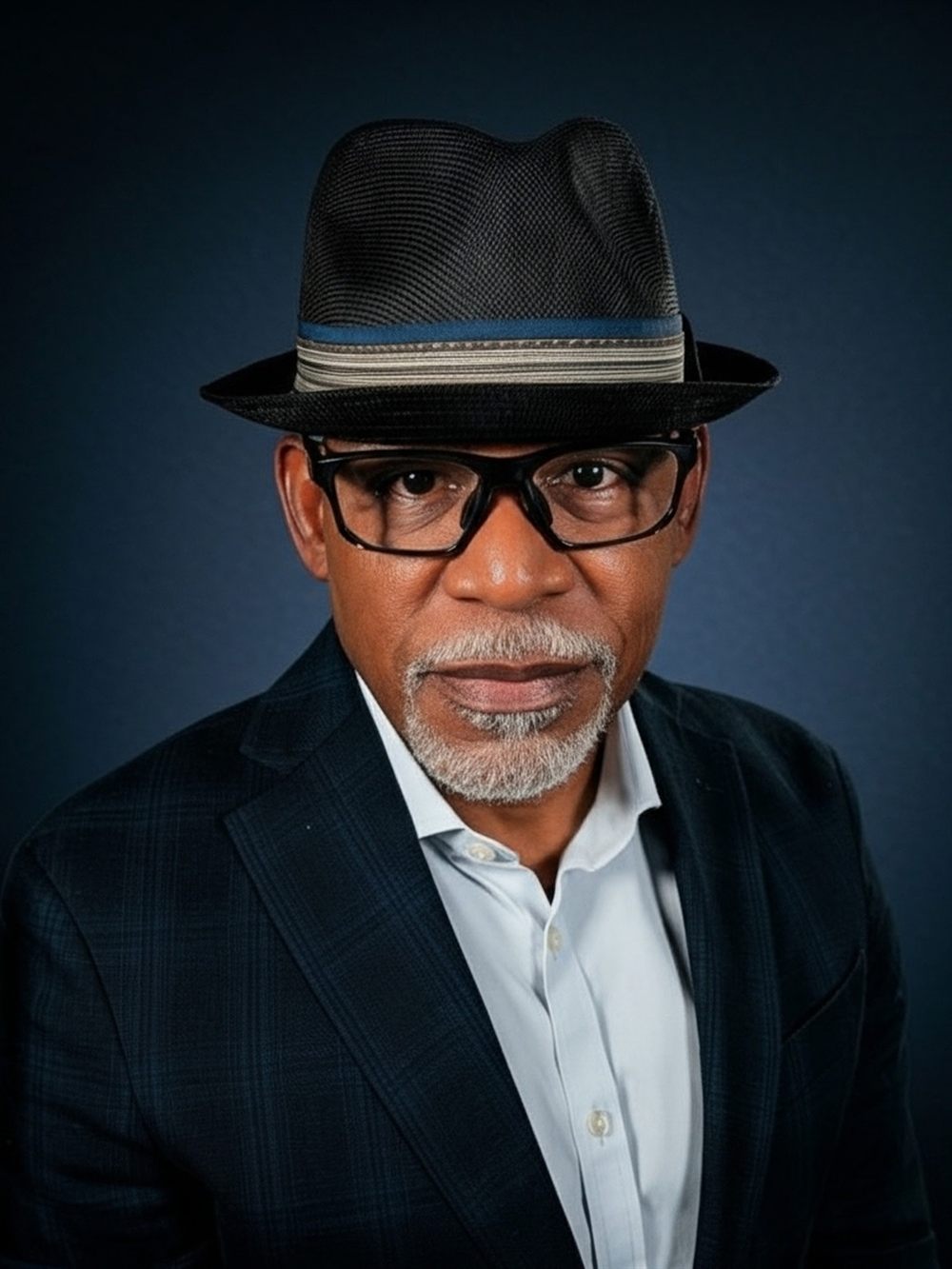
For 20 years, I was the operational architect at Numerix — a fintech that scaled from $5M to $100M in ARR while serving 900+ financial institutions across 25+ countries. I built the Salesforce org from 2007. I designed the global support architecture. I ran operations through funding rounds, compliance audits, and the kind of scaling pressure that exposes every weak seam in a system.
From that experience, I developed a diagnostic framework that sequences AI deployment in the right order: baseline first, governance before automation, AI only where it’s safe and measurable.
Now I run Qnèctra, applying that diagnostic process to operations leaders building their own scaling arc. The fit call is where that process starts.
Chris brought an operator’s mindset to our data — tight KPI definitions, clean drill paths, and a reporting layer that reduced ambiguity and increased confidence in the numbers.
Steve O’Hanlon
CEO, Deepfin Labs
Start With a 30-Minute Fit Call
Before scheduling the workshop, I run a brief 30-minute call to understand your company’s size, shape, and where the work concentrates — to confirm the workshop is the right fit for your operation. If it is, I’ll schedule the workshop. If it isn’t, I’ll tell you that directly.